NBA early-season injury shocks and storylines — LeBron James’ sciatica, Lakers adjustments, and the season’s fragile balance (Nov 10, 2025)
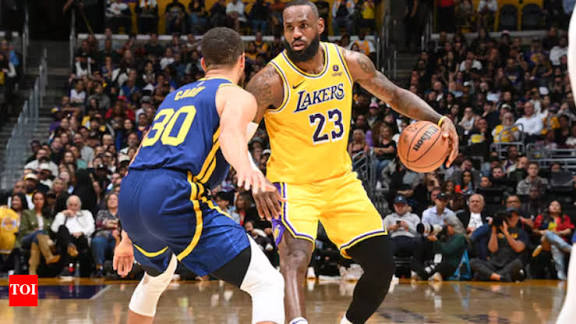
By November 10, 2025 the NBA season was still in its early chapters, but injury news and rotation adjustments were already shaping storylines. The dramatic one: LeBron James, still a focal point for the Los Angeles Lakers, was listed out with right sciatica for the Lakers’ road matchup and the team was navigating a brief roster disruption. Early injuries to key stars — both across Los Angeles and leaguewide — underline a season theme: minutes management, veteran durability, and the chess match of load management vs. competitive continuity. �
ak-static.cms.nba.com +1
LeBron’s sciatica: short term and long term implications LeBron being sidelined with sciatica is newsworthy because his presence or absence changes offensive schemes, defensive matchups, and opponent game plans. In the short term, the Lakers must lean on role players to cover ball-handling, playmaking and late-game scoring. Coaching staff will likely shuffle lineups, increase Anthony Davis’ usage, and call on perimeter scorers and bench wings to pick up the slack. From a longer-term perspective, sciatica symptoms can be recurring; the Lakers’ medical staff and coaching team must walk a careful line between treating symptoms effectively and avoiding rushed returns that could prolong availability issues. The early-season loss of any star also reveals depth weaknesses that rival teams may try to exploit while adjusting to schedule bumps. �
ak-static.cms.nba.com +1
Seasonal patterns: injuries, load management, and roster architecture The 2025–26 season continues a multi-year trend: teams are constructing rosters with not just talent but durability. Front offices now draft and sign players partly for their ability to withstand condensed travel, extended postseason windows, and an older star population. The result is that early injuries — a hamstring strain here, a sciatica flareup there — can reframe expectations for championship contenders. Analysts are watching how coaches design contingency plans: two-guard lineups that sacrifice size for speed, small-ball adjustments on defense, and strategic rest patterns for veteran cores to minimize in-season wear. �
Covers.com +1
Matchups and micro-narratives to monitor With LeBron out, games like Lakers-Hornets (Nov 10) become tests of depth rather than star duels. Can bench wings step into high-leverage minutes? Will young centers hold the paint? Will opposing teams ramp up physicality to exploit mismatches? Each matchup becomes a laboratory for assessing whether teams built to win in the postseason can survive early adversity. Meanwhile, load management conversations flare whenever veteran stars miss games: are teams managing injury or strategically throttling minutes to preserve peak form for March and April? The public and media scrutiny increases whenever marquee players miss seemingly routine matchups. �
ak-static.cms.nba.com +1
What to watch next Short term: injury reports and official updates; watch the Lakers’ minutes distribution and whether substitute scorers deliver. Medium term: whether LeBron’s sciatica becomes a recurring theme or a short-lived absence. Long term: roster moves at the trade deadline — teams may seek sturdier depth pieces to hedge against such injuries. Early November has shown that a single medical note can reshape narratives; the smart franchises will adapt quickly. �
ak-static.cms.nba.com +1
Bottom line The NBA’s early season is an endurance test: the teams that manage injuries, preserve veteran health, and find consistent secondary scoring are the ones most likely to survive to contention. LeBron James’ temporary absence is one of the early storylines that will test the Lakers’ resilience — and, by extension, provide a preview of which teams can pivot when high-impact players are forced to sit.